
How long a roof lasts in Texas depends on more than the material on top. Installation, ventilation, maintenance, and years of sun, wind, and hail all affect when a roof needs repair or replacement.
As a starting point, many asphalt shingle roofs are planned around a service life of about 20 years. Well-installed metal roofs can last several decades, while clay and concrete tiles may last 50 years or more. Those are planning guides, not expiration dates. A roof’s condition matters more than its age alone.
Typical Roof Lifespans at a Glance
| Roofing material | General planning guide | What to keep in mind |
|---|---|---|
| Asphalt shingles | About 20 years is a useful starting point | Product quality, installation, ventilation, and storm exposure can shorten or extend the roof’s service life. |
| Metal roofing | Several decades; some standing seam systems can exceed 50 years | Panel type, coating, fasteners, flashing, and installation details all matter. |
| Clay or concrete tile | Tile materials may last 50 years or more | Individual tiles can outlast the underlayment and other parts of the roof system. |
No table can tell you exactly when your roof will need replacement. A hailstorm can damage a relatively new roof, while an older roof in good condition may still have useful life left.
Unsure where your roof stands? Request a free roof inspection to get a closer look at its condition.
How Long Do Asphalt Shingle Roofs Last in Texas?
Asphalt shingles are common on Central Texas homes because they offer a range of styles and performance options. Around 20 years is a reasonable point to start asking closer questions about an asphalt shingle roof, but it is not a rule that every roof must be replaced at that age.
Look at how the roof is performing. Are shingles staying flat and in place? Have leaks started appearing in multiple areas? Is wear limited to one section, or is it visible across several slopes? Those answers are more useful than the installation year by itself.
Shingles also come in different designs. The expected performance of a basic strip shingle and a higher-grade architectural shingle should not be treated as identical. If you are considering a new shingle system, explore our shingle roofing options. The best product choice still depends on sound installation and the details of your home.
How Long Does a Metal Roof Last in Texas?
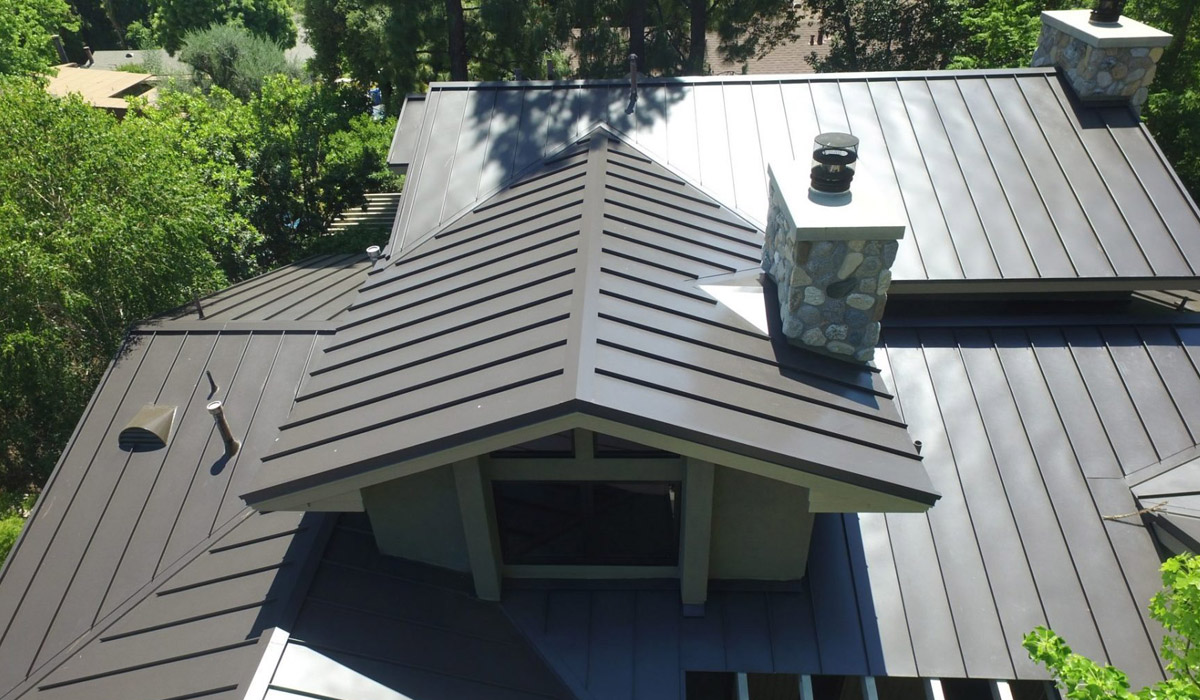
A properly designed and installed metal roof can serve a home for several decades. Metal roofing is especially appealing to homeowners who want a durable system with a distinctive architectural look. You can learn more about the systems we offer on our metal roofing page.
“Metal roof” describes more than one type of system. Concealed-fastener standing seam metal roofing and exposed-fastener panels have different details and maintenance needs. The metal, protective finish, attachment method, flashing, and workmanship all affect performance over time.
Metal is durable, but it is not immune to Texas weather. Hail can leave dents, and components should still be checked after a significant storm. When comparing options, ask about the entire installed system—not just the expected life of a panel.
How Long Do Clay and Concrete Tile Roofs Last?
Clay and concrete tiles can last for many decades and are often chosen for homes where the roof is an important part of the architecture. The tiles themselves may last 50 years or more, but that does not mean every part beneath them will last equally long.
Underlayment, flashing, and roof penetrations still need attention. Individual tiles can also crack or shift. If a tile roof develops a leak, a qualified roofer should determine whether the problem calls for a targeted repair, work beneath the tiles, or a more extensive project.
Why Might a Texas Roof Need Work Sooner?
Two neighboring homes can have roofs of the same age that are in very different condition. The main reasons include:
- Storm exposure: Hail and high wind can damage roofing materials before they reach their expected service life. Learn more about our storm damage roofing services if you have noticed a problem after severe weather.
- Installation details: Flashing, penetrations, edges, and fastening methods affect how the roof handles water and wind.
- Ventilation: The design of the attic and roof system can affect heat and moisture conditions beneath the roof covering.
- Maintenance: A small issue around a vent or flashing can become a larger problem if water entry continues unnoticed.
- Material and system choice: Products that look similar from the street may have different components, finishes, and installation requirements.
Does a Roof Warranty Tell You How Long the Roof Will Last?
Not necessarily. A manufacturer’s warranty describes specific coverage under its terms; it is not a promise that the roof will perform without repairs for that entire period. Workmanship coverage is separate and depends on the roofing contractor’s agreement.
If you have paperwork from an earlier installation, keep it with your home records. The product name, installation date, and warranty documents can help you understand what is on your roof and what coverage may still apply.
When Should You Have an Older Roof Checked?
You do not need to wait for an indoor leak. Consider an assessment if you notice missing or curling shingles, broad areas of wear, loose or broken tiles, recurring repairs, or damage after a storm. A roof inspection can help establish the roof’s condition even if you do not know when it was installed.
Look from the ground and leave roof access to a professional. A sound recommendation should explain what was found, whether the problem is isolated or widespread, and why roof repair, monitoring, or replacement makes sense.
Understand Your Roof Before You Decide What Comes Next
If you are unsure how much life your roof has left, Texas Specialty Roofing can help you evaluate its condition and understand your options. We serve homeowners in Austin, Round Rock, San Antonio, and surrounding Central Texas communities.
Request a free roof inspection, use the form below to tell us what you have noticed, or visit our Contact Us page for a general inquiry.