
Hail Damage Is Easy to Miss. Here’s How to Check.
After a hail storm, most roofs look fine from the ground. That’s the problem. Hail can bruise and crack shingles, knock loose the granules that protect them, dent metal, and break tile, and much of that damage won’t leak until months later.
This guide shows you what hail damage looks like on different roofs, what size hail tends to cause it, the clues you can safely check from the ground, and how the insurance process works in Texas. When you’re ready, the free checker below will tell you what your answers suggest.
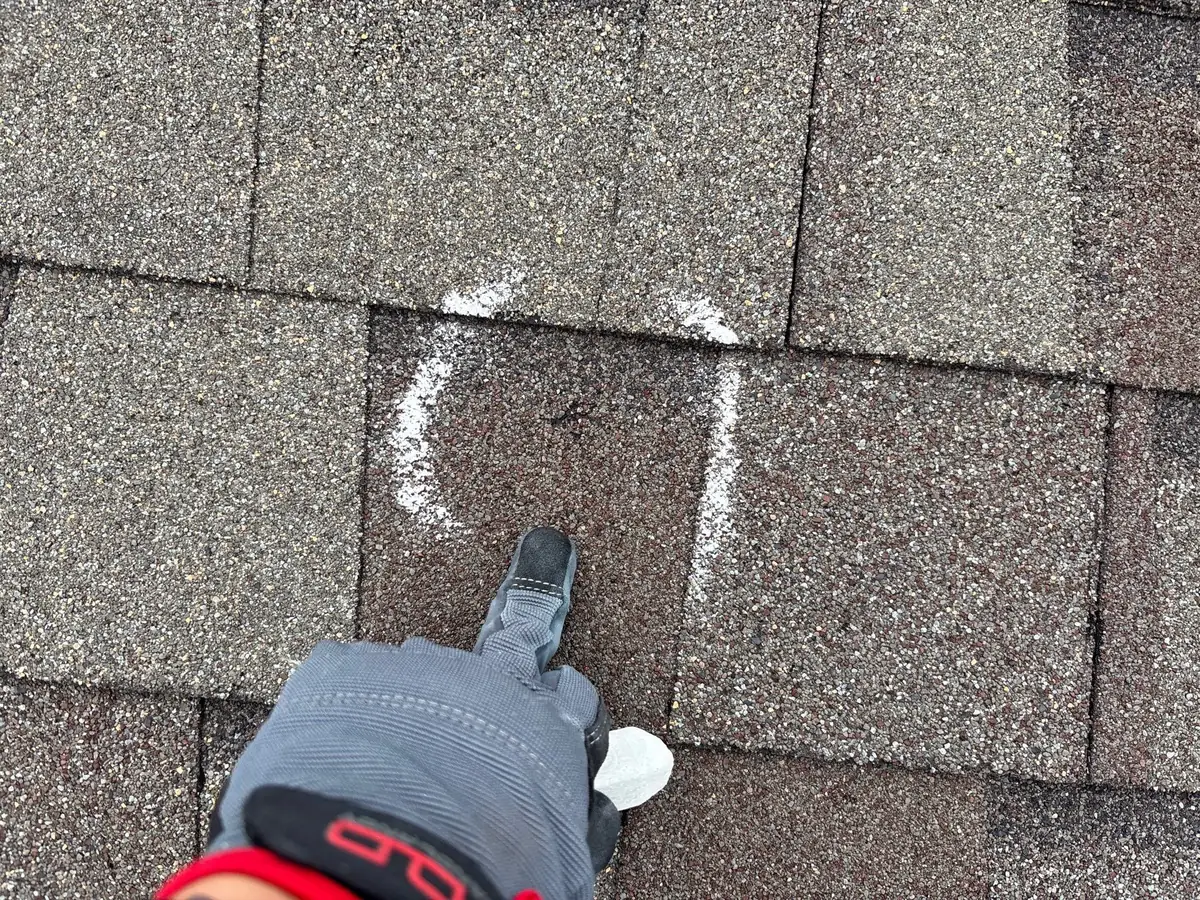
Why This Matters in Central Texas
902
major hail events in Texas in 2025, the most of any state
Source: Insurance Information Institute
11 Years
in a row as the hail damage capital of the U.S.
Source: United Policyholders
~95,200
Texas hail claims paid by State Farm alone in 2025, averaging about $15,000 each
Source: United Policyholders, citing State Farm
FREE · ABOUT 60 SECONDS
Take the Hail Damage Checker
Answer a few questions about the storm and what you see around your property. You’ll get an instant result and an email with a checklist for what to do next.
- No ladder needed, just look around your yard
- Honest results, including when damage looks unlikely
- Tips for your insurance claim, by email
- A free inspection if you want one, never required
"*" indicates required fields
What Hail Damage Looks Like on Your Roof
Hail affects every roofing material differently. Here’s what roofers look for on each one.
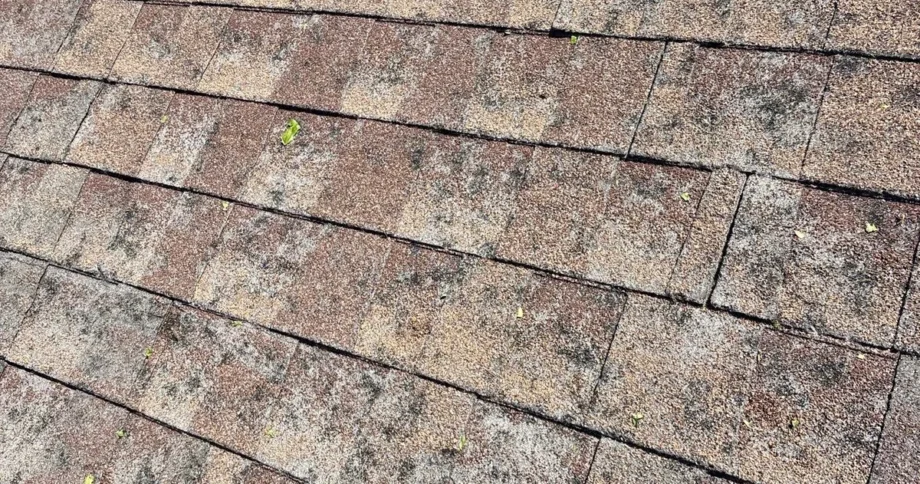
Asphalt Shingles
Dark spots where granules were knocked away, soft bruises that feel spongy, cracked shingles, and exposed mat underneath. Granules washing into the gutters are a common tell.
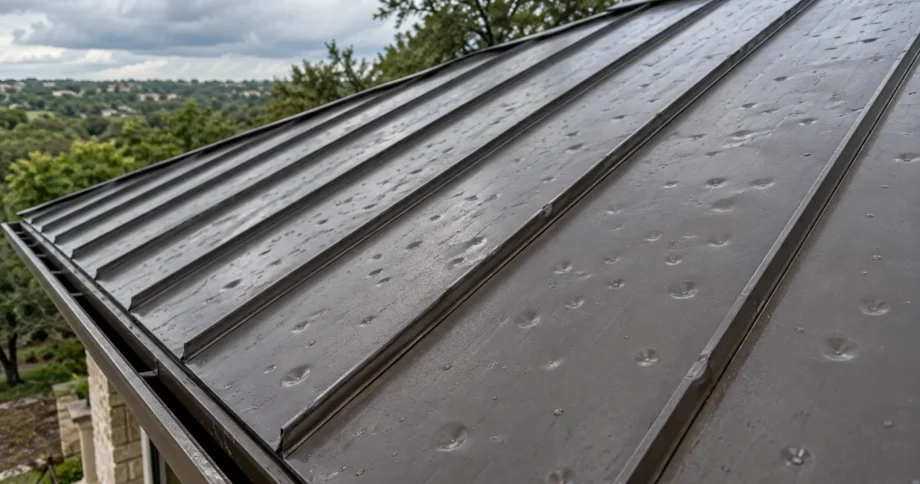
Metal Roofing
Dents in the panels, trim, and ridge caps. Some dents are cosmetic, while others damage the finish, seams, or fasteners. The difference matters for both performance and insurance.
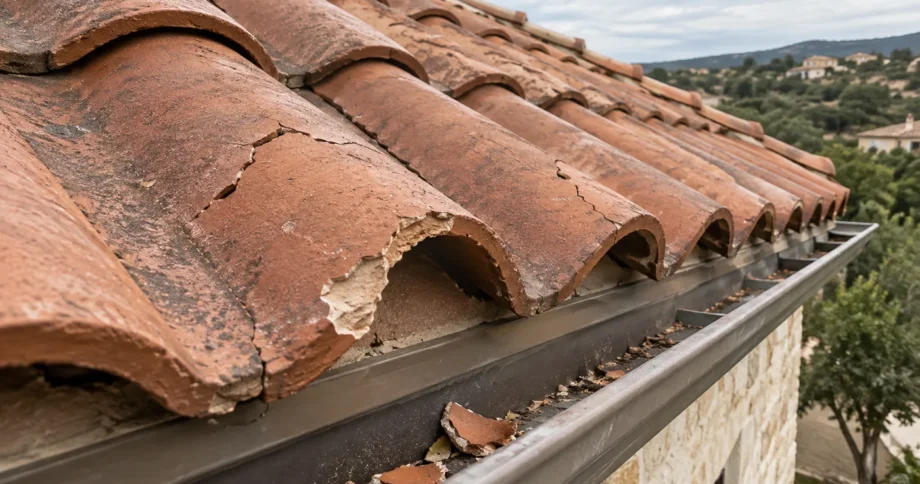
Tile Roofing
Cracked, chipped, or broken tiles, especially at corners and edges. Broken tile can expose the underlayment beneath it to sun and water.
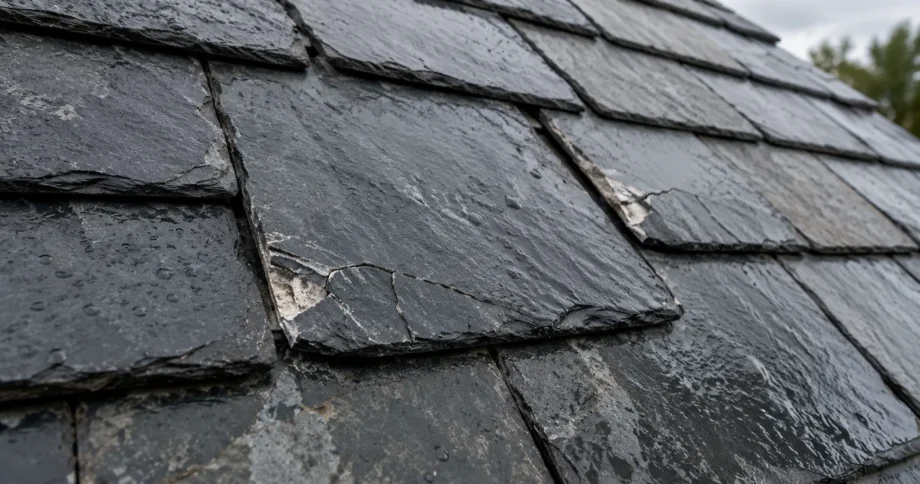
Slate
Cracks, chips, and broken corners. Slate is strong against weather but brittle on impact, so large hail can break individual pieces.
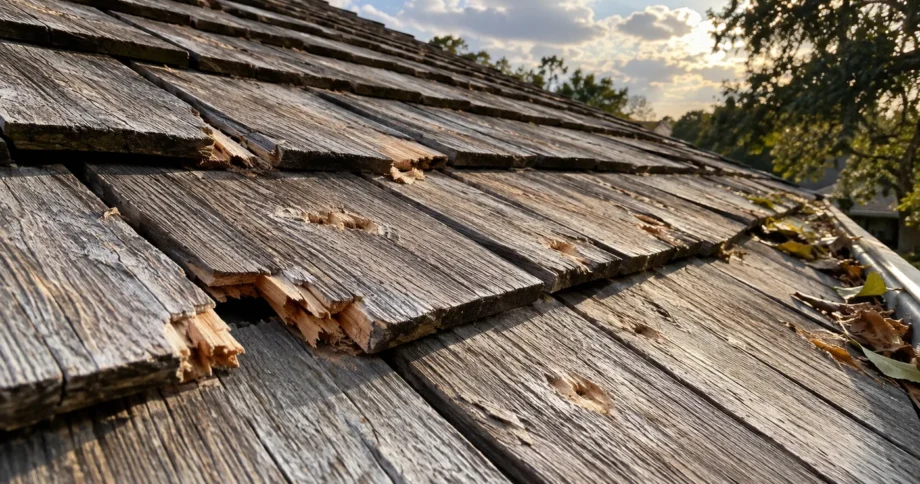
Wood Shake
Fresh splits with sharp edges and light-colored wood showing, plus dents and gouges in the surface.
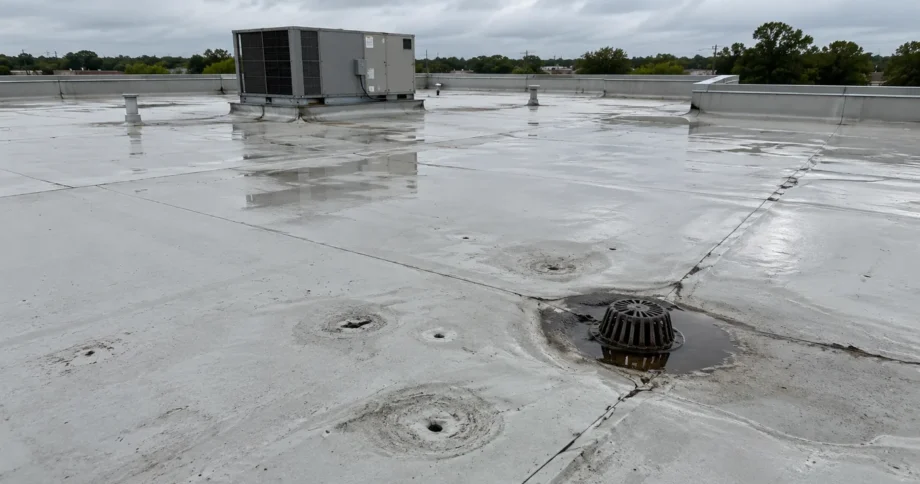
Flat and Low-Slope Roofs
Punctures, cracks, and bruises in the membrane or coating, and dents in rooftop equipment like HVAC units.
What Size Hail Damages a Roof?
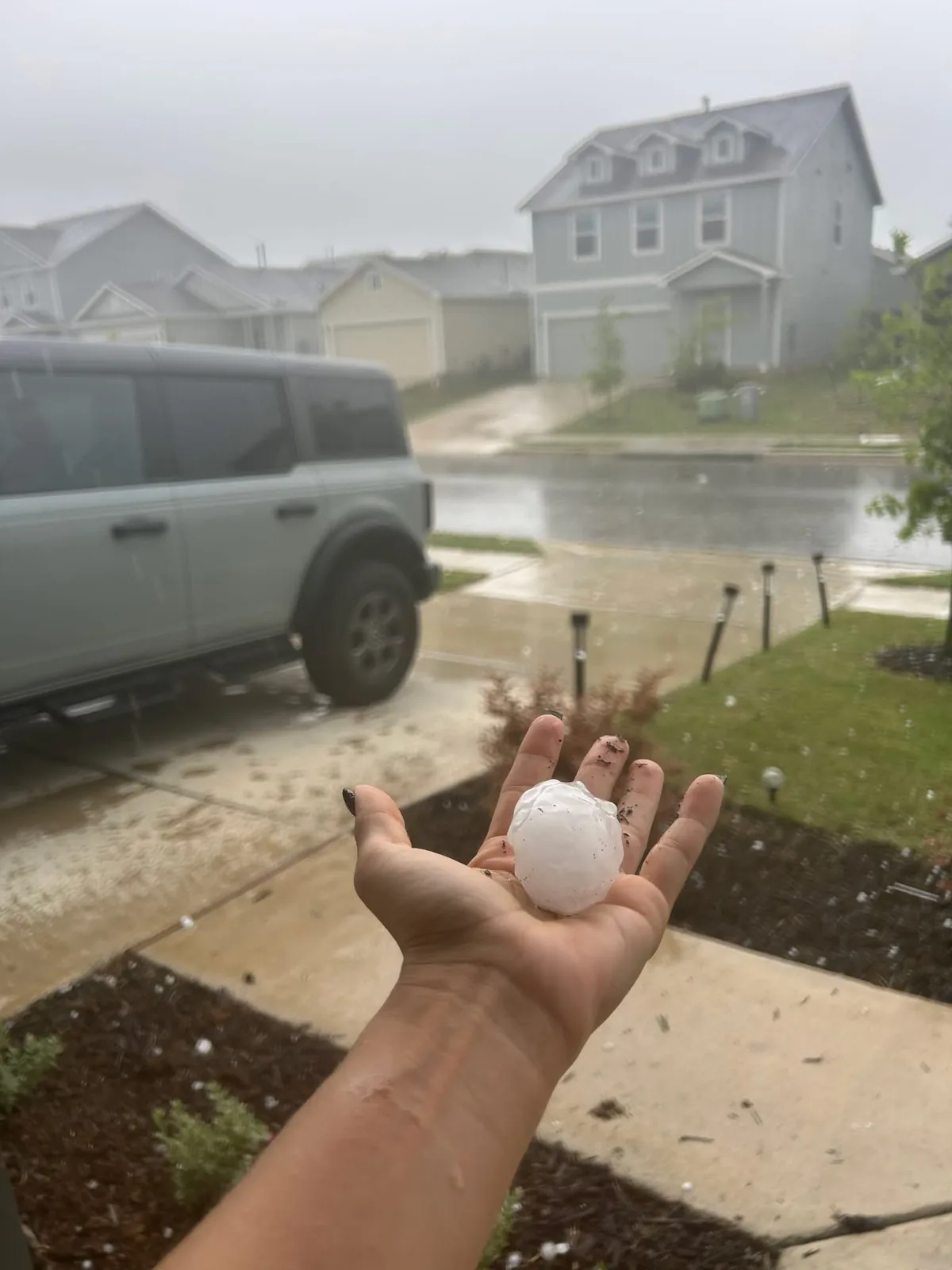
The bigger the hail, the more likely it is to damage a roof. The National Weather Service classifies a storm as severe when hail reaches 1 inch, about the size of a quarter (source).
| Hail size | What it can mean for your roof |
|---|---|
| Pea (½ inch or less) | Rarely damages a roof in good condition |
| Quarter (1 inch) | The severe-storm threshold. Older or worn roofs are more vulnerable, especially with wind |
| Golf ball (1¾ inches) | Damage becomes more likely on many roof types |
| Tennis ball and larger (2½ inches and up) | Serious damage is likely, even on newer roofs |
Size isn’t the whole story. Wind-driven hail hits harder and at an angle, and a roof’s age, material, and condition all affect how well it holds up. That’s why an inspection is the only way to know for sure.
Signs of Hail Damage You Can Check From the Ground
You don’t need to climb a ladder. Walk around your property and look for these clues. Please stay off the roof.
Dented Gutters and Downspouts
Soft metal shows hail dents clearly, and it's a strong clue the roof took hits.
Dents on Vents and the AC Unit
Look at roof vents you can see, the AC unit, and the mailbox.
Granules in Gutters
Sand-like granules at downspout exits can mean shingles were bruised.
Roof Debris on the Ground
Pieces of shingle, tile, or trim in the yard after a storm.
Damage to Cars and Furniture
Dings on cars, patio furniture, and the grill show how hard it hit.
Torn Screens and Siding
Shredded window screens and chipped siding often come with roof damage.
New Ceiling Stains
Water stains that appear after a storm mean water is getting in.
Neighbors Getting Inspected
If the houses around you are getting new roofs, yours was in the same storm.
Damaged Fences
Dents, splits, or chipped paint on fences and posts facing the storm.
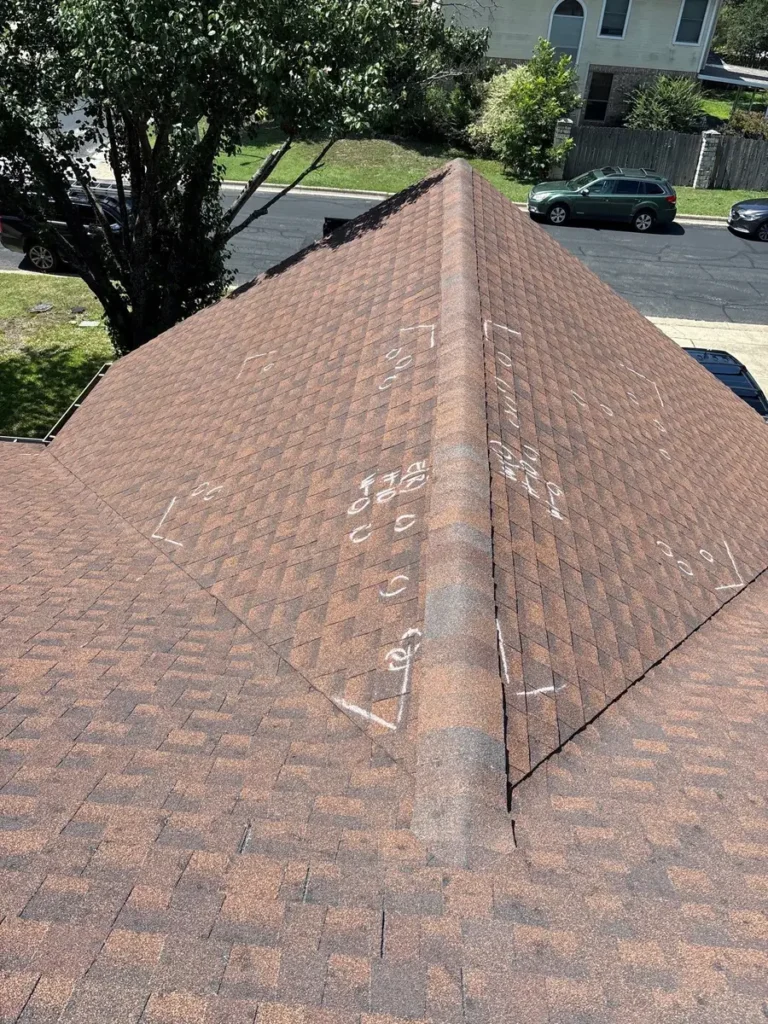
Why Hail Damage Is So Easy to Miss
It usually doesn’t leak right away
Most hail damage is a slow problem. A bruised shingle or cracked tile can keep shedding water for a while before it starts to leak.
It’s hard to see from the ground
Granule loss, bruising, and small cracks are nearly invisible from the yard. The gutters and vents often tell you more than the roof itself.
Newer roofs get damaged too
Hail doesn’t care how old a roof is. We replaced a roof in Round Rock that was only a few years old after hail damaged it. Read that project.
Lost granules speed up aging
Granules protect shingles from the sun. When hail knocks them loose, the shingles underneath can age much faster in the Texas heat.
What Happens If You Wait
Hail damage rarely gets better on its own. Here’s why it pays to check sooner rather than later.
The damage can grow:
- Small cracks and bruises turn into leaks
- Water can reach the decking, insulation, and ceilings
- A repair that would have been simple gets bigger
The claim can get harder:
- Many policies have deadlines for reporting storm damage
- It’s harder to tie older damage to a specific storm
- A later storm can complicate which damage came from when
Hail Damage and Your Insurance Claim
Here’s how the process typically works in Texas. We work with all insurance companies.
01
Document It
Take dated photos of damage around your property and write down the date of the storm.
02
Get an Inspection First
Know whether there’s real roof damage before you file a claim.
03
File the Claim
Report the damage to your insurance company promptly. Check your policy for deadlines.
04
Meet the Adjuster
The adjuster inspects the damage. Having your roofer’s documentation helps.
05
Repair or Replace
Once the claim is decided, the work is scheduled: a repair or a full replacement.
Three Things Every Texas Homeowner Should Know
Your Deductible Is Yours
In Texas, it’s illegal for a contractor to waive, rebate, or absorb your insurance deductible, and your insurance company can ask for proof that you paid it. If a roofer offers to cover it, walk away. Roofing and insurance: know the law (TDI).
Deadlines Matter
Many policies set deadlines for reporting storm damage, and some are shorter than people expect. Check your policy and report damage promptly. Tips after a storm (TDI).
Read the Fine Print on Metal
Some Texas policies include a cosmetic damage exclusion, which can mean dents that don’t affect how a roof performs aren’t covered. It’s most common with metal roofs. Ask your agent whether your policy has one.
How to Spot a Storm Chaser
After big storms, out-of-town crews often go door to door. Many disappear once the check clears. Watch for:
Red flags:
- Pressure to sign a contract on the spot
- Offers to cover or waive your deductible
- No local address or a brand-new company name
- Asking for large payments upfront
What to look for instead:
- A local company with a real office
- Proof of insurance and a solid reputation
- A written estimate with no pressure
- A clear warranty on the work
We’re based in Round Rock and San Antonio, BBB Accredited, and fully insured. Learn more about us.
A REAL HAIL CLAIM
A Few-Year-Old Roof, Replaced After Hail
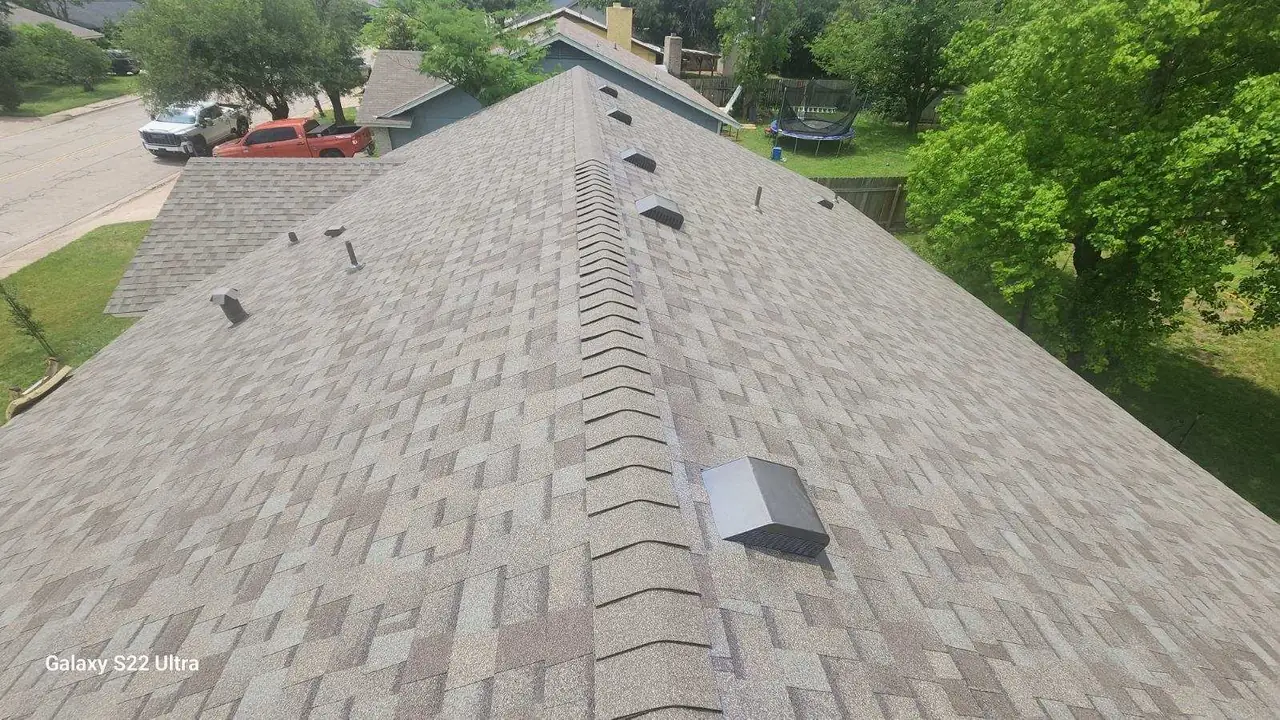
When a major hail storm hit Round Rock, Brandon’s roof was only a few years old, but it had been damaged. We documented the damage and worked with his insurance company, and the claim was approved for a full roof replacement. We also coordinated repairs to his gutters, garage door, and fence, so one team handled it all.
Hail Damage Questions
How do I know if my roof has hail damage?
Start with the clues you can see from the ground: dented gutters, vents, and AC units, granules in the gutters, and roof debris in the yard. Then have the roof inspected. Most roof damage can’t be confirmed from the ground.
Does hail damage always cause a leak?
No. Many hail-damaged roofs don’t leak right away. The damage can take months to show up as leaks, which is why it’s often missed.
Can a new roof be damaged by hail?
Yes. Large or wind-driven hail can damage a roof of any age. See a real example.
What size hail damages a roof?
Damage becomes more likely around 1 inch (quarter-size) and larger, especially on older roofs or with strong wind. Larger hail can damage even newer roofs.
Should I call my insurance company or a roofer first?
We recommend getting an inspection first, so you know whether there’s real damage before you file. Then report it to your insurer promptly.
How long do I have to file a hail claim?
It depends on your policy. Many policies have reporting deadlines, and some are shorter than people expect. Check your policy or ask your agent, and don’t wait.
Will filing a hail claim raise my rates?
It depends on your insurance company and policy. Your agent is the best person to ask.
Is a hail damage inspection really free?
Yes. Every inspection we do is free, with no obligation. Schedule yours.
Had Hail at Your Home?
Take the checker, or skip straight to a free storm damage inspection. We’ll document what we find and help you understand your options.